Blog Category


AI in SAP

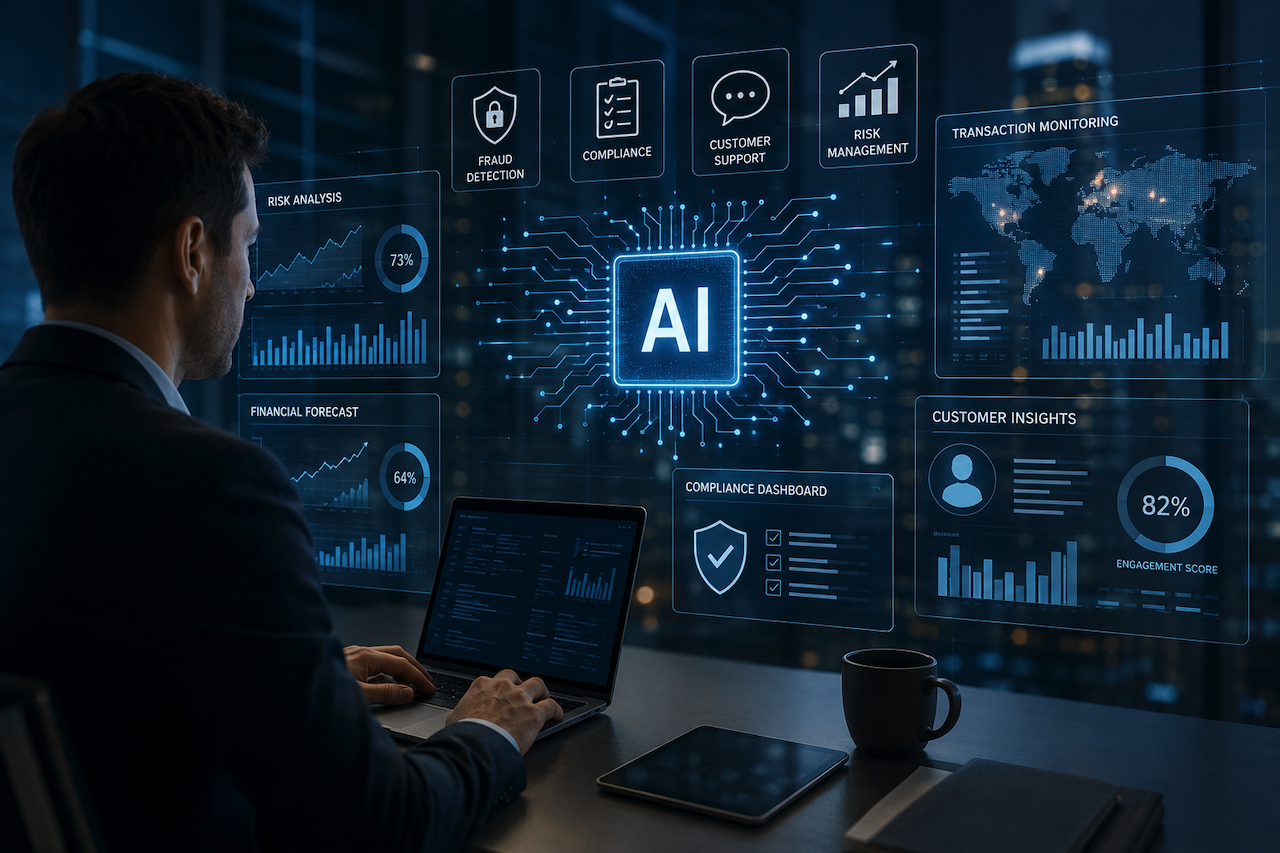
Businesses are undergoing significant change, and one of the main contributors to this transformation is Artificial Intelligence (AI). As technology becomes increasingly advanced and integrates with SAP systems, many professionals across different departments want to understand what this means for their roles, especially within environments like SAP S/4HANA.

What Makes AI Writing Sound Robotic and How to Fix It

AI writing has reached a point where speed and correctness are no longer the challenge. The real challenge is something far less technical and far more noticeable: how the writing feels to read. You can have perfectly structured sentences, clean grammar, and logical flow, and still end up with content that feels distant, generic, or subtly off.

Humanize AI Content

Let’s be honest: the internet is starting to feel a bit… robotic. If you’ve spent more than five minutes browsing tech blogs lately, you’ve probably noticed that “samey” feeling—perfectly structured but lacking personality. We’re living in an era often described as “Stochastic Parrots,” where content can be generated quickly but not always meaningfully. This is why tools like Humbot and similar refinement platforms have emerged, aiming to make AI-generated text feel more natural and readable. As a result, maintaining a genuine connection with readers has become more challenging. It’s no longer enough to simply generate text—avoiding the “uncanny valley” of AI output requires adding a more human touch to the writing.

AI Agents in Healthcare

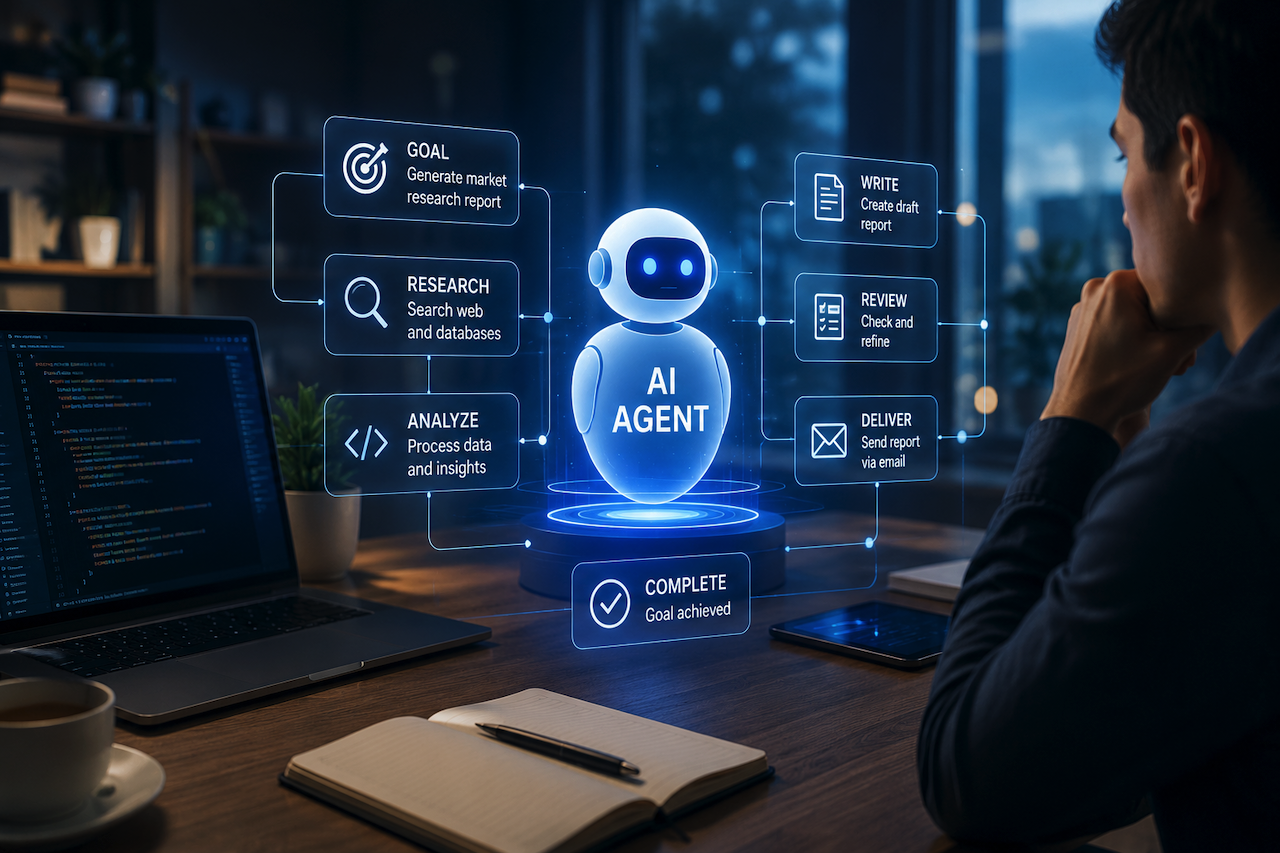
The healthcare sector changes dramatically, and most of the recent changes are driven by newly adopted AI-driven technologies. More and more organizations are partnering with AI software development companies to create intelligent solutions that improve operational efficiency, support better decision-making, and patient outcomes. As the demand for healthcare software development continues to rise, AI agents (autonomous or semi-autonomous systems designed to handle complex workflows) are emerging as critical elements of modern healthcare infrastructures. These healthcare software development services enable providers to integrate advanced AI capabilities into clinical and operational systems. Their applications span from patient interaction and administrative automation to clinical decision support, fundamentally redefining how healthcare organizations operate and deliver care.

Office Meeting

In the early days of the generative AI boom, the digital landscape was flooded with simple chat interfaces. While revolutionary, these standalone bots created a hidden burden for professionals: the “fragmentation tax.” Research shows that the average knowledge worker switches between apps and windows nearly 1,200 times a day. When using AI, this often looks like copying data from a research tool, pasting it into a chatbot for a summary, moving that summary to a document editor, and then switching again to a design platform for visuals.